
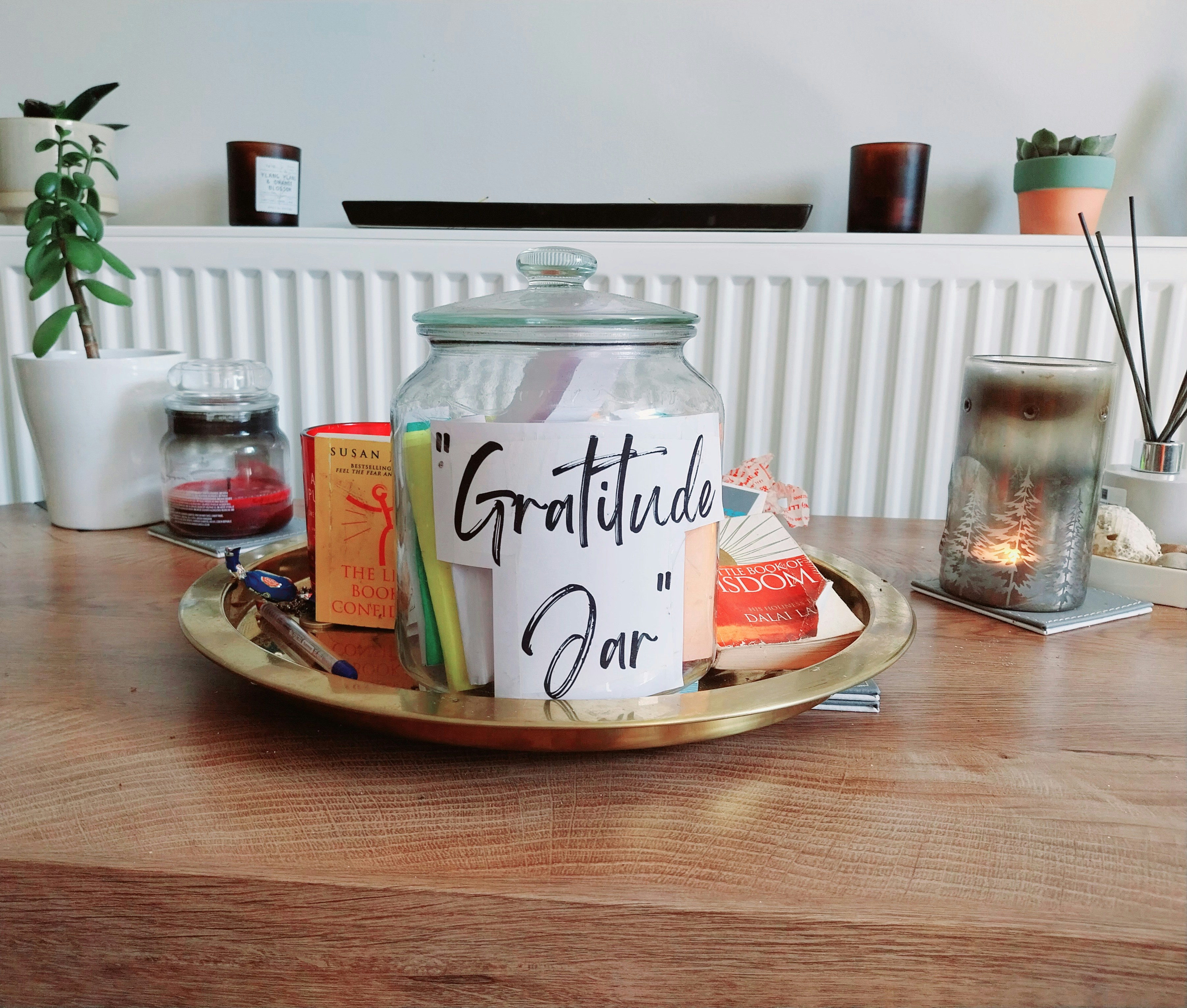
Cultivating Gratitude: Your Path to Daily Happiness and Lasting Well-Being
In the pursuit of a fulfilling life, many seek external validation or material possessions for happiness. However, a profound and accessible pathway to sustained well-being lies within us: the practice of gratitude. Far more than a fleeting emotion, gratitude is a conscious choice, a proactive mindset that, when cultivated, can transform our daily experiences, enhance our mental and physical health, and deepen our connections with others.
This comprehensive guide explores the science-backed benefits of gratitude, offers practical strategies for its daily integration, and empowers you to embark on your own transformative gratitude journey.
Understanding Gratitude: More Than Just Thank You
Gratitude is a complex and powerful human emotion characterized by a deep recognition and appreciation of the positive aspects of life. It’s not simply about saying “thank you”; it’s about actively noticing and valuing the good, whether it’s a grand gesture or a simple moment. Integrating gratitude into your daily routine is a proactive practice that can lead to profound shifts in your psychological and emotional well-being.
Key aspects of gratitude include:
- Recognition of Goodness: Acknowledging the positive things in your life, both big and small.
- Appreciation of Value: Understanding the worth and significance of these positive elements.
- Proactive Practice: Consciously choosing to engage in grateful thoughts and actions.
- Connection: Fostering a greater sense of belonging and connection to others and the world around you.
Research consistently highlights the transformative power of gratitude. Studies have demonstrated its ability to significantly enhance mental health outcomes, leading to reduced symptoms of depression, increased levels of happiness, and a more optimistic outlook on life. By consciously shifting your focus to what you are thankful for, you naturally begin to disengage from anxiety and negativity, building resilience to navigate life’s inevitable challenges.
The impact of gratitude extends beyond the individual, creating a positive ripple effect in our social relationships and communities. When gratitude is shared, it strengthens interpersonal bonds, fostering mutual respect, understanding, and a supportive network that contributes to overall life satisfaction. As we delve deeper, we’ll uncover specific strategies to cultivate this invaluable practice and unlock its immense potential for a more joyful and fulfilling existence.
The Science Behind Gratitude: A Powerful Mind-Body Connection
The growing body of scientific research on gratitude reveals its remarkable impact on both our mental and physical health. This isn’t just anecdotal; it’s rooted in observable physiological and psychological changes.
Enhanced Mental Health and Emotional Well-being
Numerous studies underscore the direct correlation between practicing gratitude and increased levels of happiness and life satisfaction. Research published in prestigious journals like Psychological Science has consistently demonstrated that individuals who regularly reflect on what they are thankful for report higher levels of optimism and a more positive overall mood.
Furthermore, gratitude has proven to be a potent tool in combating mental health challenges. A comprehensive meta-analysis of various studies indicated that individuals who actively engage in gratitude exercises experience significantly greater reductions in depressive symptoms compared to their counterparts who do not. This effect is largely attributed to the mental shift gratitude facilitates. Instead of dwelling on perceived deficits or negative experiences, gratitude encourages a focus on the abundance and positivity present, breaking the cycle of despair and fostering a more hopeful outlook.
Physiological Benefits and Stress Resilience
The benefits of gratitude extend beyond the mind, impacting our physical health as well. Findings reveal that individuals who regularly express gratitude tend to report fewer physical ailments and exhibit greater resilience to stress. This improved physical health is linked to gratitude’s profound impact on brain chemistry.
Gratitude is associated with increased activity in brain regions linked to dopamine, a neurotransmitter crucial for regulating mood, motivation, and pleasure. When you engage in grateful thinking, you essentially bolster your brain’s natural capacity to produce these “feel-good” hormones, fostering a more positive and stable emotional state. This neurochemical shift can contribute to better sleep, a stronger immune system, and a reduced inflammatory response, all of which are vital for overall health.
Rewiring Your Brain for Positivity
Ultimately, gratitude encourages an overall reshaping of our mindset and emotional responses. By consistently acknowledging and appreciating the good in our lives, individuals cultivate a lasting sense of well-being that acts as a protective buffer against life’s inevitable adversities. The scientific evidence is clear: incorporating gratitude into your daily routines is not just a pleasant addition; it offers profound benefits for your mental, emotional, and physical health.
Daily Gratitude Practices: Simple Steps to a Happier You
Integrating gratitude into your daily life doesn’t require grand gestures or significant time commitments. Small, consistent practices can yield remarkable results. Here are some effective and accessible methods:
1. The Gratitude Journal: Your Personal Appreciation Log
One of the most effective and widely recommended practices is maintaining a gratitude journal.
* How to do it: Set aside just 5-10 minutes each day, perhaps in the morning or before bed, to write down three to five things for which you are thankful.
* Why it works: The act of writing forces you to consciously identify and articulate positive aspects of your life. Over time, this habit trains your brain to actively seek out and appreciate the good, fostering a more positive and optimistic mindset.
* Pro Tip: Don’t limit yourself to big events. Appreciate the warmth of your coffee, a friendly smile from a stranger, or the comfort of your home.
2. Mindfulness: Savoring the Present Moment
Mindfulness is the practice of being fully present and engaged in the current moment without judgment. When combined with gratitude, it becomes a powerful tool for appreciating life’s simple joys.
* How to do it: Practice mindful awareness during everyday activities. Pay attention to the sensations, sights, sounds, and smells around you.
* Why it works: By concentrating on the present, you become more attuned to the small wonders that often go unnoticed amidst the hustle and bustle of life. This could be the taste of your meal, the feeling of sunlight on your skin, or the sound of birds chirping. These moments become opportunities for profound appreciation.
* Resources: Explore guided mindfulness meditations from reputable sources like UCLA’s Mindful Awareness Research Center.
3. Expressing Appreciation to Others: The Power of Connection
Gratitude is inherently relational. Expressing your thankfulness to others not only benefits them but also amplifies your own feelings of appreciation.
* How to do it:
* Verbalize it: Make a conscious effort to thank people directly, whether it’s a colleague for their help, a friend for their listening ear, or a family member for their support.
* Write it down: Send a thank-you note, email, or text message acknowledging someone’s kindness or contribution.
* Thoughtful gestures: Small acts of kindness or appreciation, like bringing a colleague a coffee or offering to help a neighbor, can convey deep gratitude.
* Why it works: Expressing gratitude strengthens interpersonal relationships, fosters a sense of belonging, and creates a positive cycle of mutual appreciation. It reinforces social bonds and contributes to a more supportive environment for everyone.
4. Establishing a Gratitude Routine: Consistency is Key
Making gratitude a regular part of your day increases its effectiveness.
* How to do it: Link your gratitude practice to an existing daily habit. For example, take a moment to express gratitude while enjoying your morning coffee, during your commute, or before you go to sleep.
* Why it works: Consistency transforms gratitude from an occasional thought into an ingrained habit, making it a natural and integrated part of your daily life, leading to sustained improvements in mental well-being.
Overcoming Challenges to Gratitude: Navigating Life’s Hurdles
While the benefits of gratitude are clear, life’s challenges can sometimes make it difficult to maintain a grateful outlook. Negative thinking patterns, overwhelming stressors, and demanding responsibilities can all act as barriers.
Reframing Negative Experiences: Finding the Silver Lining
It’s natural to focus on what’s going wrong. However, a key strategy for cultivating gratitude is to consciously reframe negative experiences.
* How to do it: Instead of viewing challenges solely as setbacks, actively seek out the constructive lessons and opportunities for growth they present. Ask yourself:
* “What can I learn from this difficult situation?”
* “How is this challenge helping me build resilience or develop new skills?”
* “What strengths have I discovered within myself through this adversity?”
* Why it works: This shift in perspective helps you break free from negative thought cycles and recognize that even difficult experiences have intrinsic value. It fosters an appreciation for the learning process inherent in life.
Journaling for Resilience: Documenting Lessons Learned
Journaling can be a powerful tool not only for recording gratitude but also for processing challenges and identifying lessons.
* How to do it: Dedicate a section of your journal to reflect on difficult times. Document the lessons learned, the personal growth you experienced, and the strengths you developed as a result of overcoming adversity.
* Why it works: By actively documenting these insights, you reinforce the idea that challenges are opportunities for development, fostering a grateful attitude even amidst struggle.
Embracing Imperfection: Gratitude Doesn’t Mean Absence of Hardship
It’s crucial to understand that practicing gratitude does not require the absence of difficulties. True gratitude involves acknowledging hardships while simultaneously celebrating small victories and the positive aspects of your life.
* How to do it: Aim for a balanced perspective. Recognize that life is a mix of good and challenging moments. Focus on appreciating what you do have, even when things are tough. Celebrate small wins, acknowledge progress, and be thankful for the support systems you have in place.
* Why it works: This dual approach empowers you to embrace gratitude even in demanding times, leading to an enhanced sense of well-being and happiness, rather than feeling pressured to be perpetually cheerful.
Gratitude and Relationships: The Glue That Binds Us
Gratitude plays a pivotal role in shaping and enhancing the quality of our interpersonal relationships. When we express appreciation, we create a positive and nurturing environment that strengthens bonds with friends, family, colleagues, and partners.
Strengthening Bonds Through Appreciation
The simple act of expressing thanks can have a profound impact on how we connect with others.
* Manifestations of Gratitude: This can range from verbal affirmations and heartfelt thank-you notes to thoughtful gestures and acts of service.
* Emotional Impact: The emotional boost that accompanies gratitude uplifts both the giver and the receiver, creating a virtuous cycle of mutual appreciation. This emotional connection fosters a sense of belonging and strengthens our social fabric.
Research on Relationship Satisfaction
Studies have consistently shown that individuals who regularly express gratitude tend to build and maintain stronger, more satisfying relationships. For instance, research on romantic relationships indicates that couples who openly acknowledge and appreciate each other’s contributions report higher levels of relationship satisfaction and experience lower levels of stress.
This is largely because expressing gratitude makes individuals feel valued, seen, and acknowledged. This sense of validation can lead to improved communication, deeper emotional intimacy, and a greater willingness to support one another. Gratitude acts as a powerful “social glue,” fostering an atmosphere where individuals feel more comfortable sharing their thoughts and feelings, thereby deepening their connections.
Real-Life Testimonials: The Transformative Power in Action
Countless real-life stories illustrate the transformative power of gratitude in relationships:
* A simple thank-you to a colleague for a supportive gesture can blossom into a deeper friendship, characterized by enhanced teamwork and collaboration.
* Expressing gratitude towards parents can not only improve family dynamics but also encourage more open and honest communication among family members.
These examples highlight that gratitude is more than just a courtesy; it’s an essential ingredient for building resilient, lasting relationships that can withstand the tests of time and adversity.
Cultivating a Grateful Mindset: A Daily Commitment
Developing and maintaining a grateful mindset is fundamental to fostering sustained happiness and well-being in daily life. It’s an ongoing process that requires conscious effort and consistent practice.
Shifting Your Perspective: Focusing on the Positive
The cornerstone of a grateful mindset is a deliberate shift in perspective.
* Conscious Choice: Actively choose to focus on the positive aspects of your experiences, rather than dwelling on the negative. This is not about ignoring difficulties, but about consciously highlighting the good that coexists with them.
* Enhanced Well-being: This shift not only enhances your overall mood but also leads to improved mental health and greater resilience in the face of adversity.
Regular Reflection and Appreciation
Consistent reflection is key to anchoring your thoughts in positivity.
* Gratitude Journaling: As mentioned earlier, keeping a gratitude journal where you regularly list things you are thankful for is a powerful tool. Aim for at least three things each day.
* Appreciating Simple Pleasures: This practice helps you anchor your thoughts in positivity, allowing for a richer appreciation of life’s simple pleasures, from a beautiful sunset to a comforting conversation.
Expressing Gratitude to Others: Reinforcing the Mindset
The act of expressing gratitude to others reinforces your own grateful mindset.
* Strengthening Connections: Writing thank-you notes or verbally acknowledging someone’s kindness not only strengthens relationships but also increases your personal happiness and sense of connection.
* Reciprocal Benefits: This outward expression of gratitude creates a positive feedback loop, amplifying your own feelings of thankfulness.
Learning from Challenges: Growth Through Adversity
Another powerful technique is to draw lessons from challenges and setbacks.
* Reframing Difficulties: It can be easy to focus solely on the hardships we face. However, by reframing these situations as opportunities for growth, you cultivate resilience.
* Narrative of Gratitude: Reflecting on how a past challenge contributed to personal development or prompted positive change can align your experiences with a narrative of gratitude. This proactive approach to seeing the “silver linings” significantly enhances your emotional well-being.
Integrating Mindfulness: Presence and Appreciation
Integrating mindfulness into your daily routine is essential.
* Staying Present: Mindfulness encourages you to stay present, allowing you to appreciate the small details of life that may otherwise go unnoticed.
* Sustainable Practice: By blending mindfulness with gratitude, you create a sustainable practice that fosters joy and fulfillment. Over time, these techniques help individuals establish a consistent grateful mindset, enriching their lives with a profound sense of happiness and well-being.
The Role of Gratitude in Enhancing Overall Well-Being
Gratitude is a cornerstone of a thriving life, playing a significant role in enhancing individual well-being and fostering a stronger sense of community. Its impact is far-reaching, influencing our emotional resilience, social connections, and even our physical health.
Cultivating Emotional Resilience and Contentment
Research consistently demonstrates that individuals who regularly express gratitude experience higher levels of happiness and life satisfaction.
* Optimistic Outlook: This positive emotion helps cultivate emotional resilience, enabling individuals to navigate life’s challenges with a more optimistic outlook.
* Focus on Abundance: By focusing on what one possesses rather than what one lacks, gratitude encourages a mindset shift that promotes contentment and fulfillment, reducing feelings of envy or dissatisfaction.
Contributing to Societal Well-being
Gratitude’s benefits extend beyond the individual, contributing positively to society as a whole.
* Acts of Kindness: When individuals practice gratitude, they are often inspired to engage in acts of kindness towards others, creating a ripple effect within their communities.
* Fostering Compassion: This behavior fosters an atmosphere of compassion and altruism, encouraging stronger connections among individuals. As people express their gratitude, they strengthen social ties, which can lead to improved mental health outcomes for both the giver and the receiver.
Enhancing Interpersonal Relationships and Social Support
The cultivation of gratitude significantly enhances interpersonal relationships.
* Valuing Contributions: By recognizing and appreciating the contributions of others, individuals create a supportive environment that values appreciation and acknowledgment.
* Increased Social Support: Enhanced relationships consequently lead to greater social support, a well-known factor in overall well-being. Communities that prioritize gratitude may experience decreased conflict and increased cooperation, further contributing to a positive social environment.
In essence, gratitude serves as a powerful tool in enhancing not only individual happiness but also collective well-being. Its ability to cultivate compassion and altruism illustrates its integral role in promoting a healthier, more connected society.
How to Measure Your Gratitude Journey: Tracking Your Progress
Measuring the progression of your gratitude practice is essential for understanding its impact on your overall well-being and happiness. Various methods can be employed to assess personal growth in gratitude, allowing you to track emotional shifts and understand how gratitude influences your mood over time.
1. The Gratitude Journal: A Visual Record of Progress
Your gratitude journal is more than just a place to list thankful thoughts; it’s a powerful tool for self-assessment.
* How to use it: Regularly review your journal entries. Look for patterns in what you express gratitude for. Notice how your entries might evolve over time, perhaps becoming more detailed or encompassing different aspects of your life.
* Observing Changes: By documenting these reflections, you can visually observe changes in your mindset and emotional state, helping to reinforce a positive outlook and identify areas where your practice is particularly effective.
2. Gratitude Challenges: Amplifying Thankfulness
Engaging in structured gratitude challenges can provide a focused way to amplify feelings of thankfulness and track your engagement.
* Structured Activities: These challenges can range from writing thank-you notes to strangers, to engaging in acts of kindness that cultivate appreciation, or dedicating a week to expressing gratitude for specific aspects of your life.
* Active Focus: Participating in such activities encourages individuals to actively focus on what they are grateful for, gradually transforming their perceptions and fostering emotional growth.
3. Tracking Emotional Shifts: Connecting Practice to Feeling
Tracking your emotional shifts is an insightful method for measuring gratitude’s effects.
* Self-Assessment Tools: Utilize simple self-assessment tools. Rate your moods before and after engaging in gratitude practices. For example, use a scale ranging from 1 to 10 to compare feelings of happiness, contentment, or stress at various points during the day or week.
* Identifying Correlations: Over time, this practice allows you to observe patterns and correlations between your gratitude activities and your emotional well-being. This data provides tangible evidence of gratitude’s positive influence.
By employing a combination of these methods—journaling, participating in challenges, and tracking emotional shifts—you can effectively evaluate your gratitude journey. This self-awareness enhances the practice of gratitude, encouraging a deeper commitment to cultivating a thankful mindset, which in turn contributes to long-term happiness and well-being.
Conclusion: The Lasting Impact of Gratitude on Your Life
Throughout this exploration, we have uncovered the profound and transformative power of gratitude, recognizing its essential role in fostering happiness and sustained well-being. Integrating a gratitude practice into your daily life is not merely an optional endeavor; it is a fundamental step for anyone seeking to cultivate a more positive, resilient, and fulfilling existence.
By consciously acknowledging and appreciating the good in our lives, we unlock the potential for greater emotional resilience, deeper contentment
Related Articles
Este post está directamente relacionado con el tema principal del artículo ('Gratitude for Daily Happiness & Well-Being') al ofrecer consejos prácticos sobre cómo cultivar la gratitud.
El artículo trata sobre cómo la gratitud contribuye a la felicidad y el bienestar diario. Este post, al centrarse en 'Prácticas Diarias para una Mejor Vida', complementa el tema al sugerir acciones que pueden mejorar el bienestar general, donde la gratitud es un componente clave.
La gratitud es una práctica que eleva el estado de ánimo y la vibración personal, lo que a su vez puede ayudar a manifestar una vida plena. Este post se alinea con el resultado deseado de cultivar la gratitud.
La gratitud puede ser una parte fundamental de vivir una vida auténtica y significativa, ya que fomenta la apreciación de lo que se tiene y promueve una perspectiva positiva. Este post aborda un objetivo más amplio que se ve potenciado por la práctica de la gratitud.